
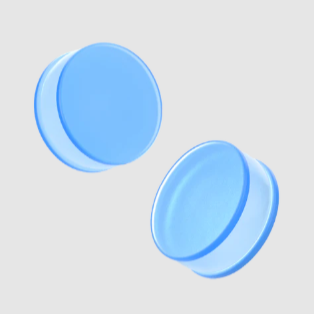
Swimming is one of the most rewarding and enjoyable forms of exercise and recreation. However, water entering the ear canal can be uncomfortable and, over time, may contribute to infections such as swimmer’s ear. To protect sensitive ears and enhance comfort in the water, many swimmers use earplugs for swimming. These devices are specially designed to create a water‑tight seal, keeping water out while allowing you to enjoy your swim without distraction. Choosing the right materials and fit options can significantly impact comfort, protection, and the overall swimming experience.
Why Material Matters
The material of earplugs for swimming is one of the most important factors that determines comfort, durability, and effectiveness in keeping water out of the ear canal.
Silicone
Silicone is widely regarded as one of the best materials for swimming earplugs. It is flexible, hypoallergenic, and water‑resistant, making it ideal for prolonged use in wet environments. Silicone earplugs can come in two key forms: moldable and pre-moulded. Moldable silicone can be shaped to fit the contours of an individual’s ear, providing a snug, comfortable, water‑tight seal. Pre-moulded silicone plugs are ready to use and often come in multiple sizes to accommodate different ear canals.
Moldable Putty (Silicone or Wax)
Moldable earplugs made from soft silicone putty or natural wax allow you to shape the material by hand before insertion, forming a customised seal. This personalised fit can be especially effective for preventing water entry, as it adapts precisely to the user’s ear shape. These are a great choice for swimmers who struggle to achieve a secure fit with standard pre-moulded plugs.
Pre‑Molded Soft Plastics
Some earplugs for swimming use soft plastic materials and are manufactured in fixed shapes with flanges that help create layers of water‑blocking protection. While they may not offer a perfect custom fit, they are durable, reusable, and easy to insert, making them a practical option for regular swimmers.
Fit Options: Finding the Right Seal
A proper fit is essential for earplugs for swimming to prevent water entry and reduce irritation.
Moldable Fit: Moldable earplugs can be shaped to match your ear’s contours, providing a secure, comfortable seal ideal for long or frequent swims.
Pre-Moulded Fit: Pre-moulded plugs come in standard sizes and materials like soft silicone or rubber, offering a reusable, low‑maintenance option for beginners or casual swimmers.
Custom-Moulded Options: Custom earplugs are made from ear impressions for the most precise fit, delivering maximum comfort and long-term effectiveness, especially for frequent swimmers or sensitive ears.
Choosing Earplugs for Your Needs
When selecting earplugs for swimming, consider the following:
- Frequency of use: If you swim occasionally, moldable or pre-moulded options provide excellent value and protection. For daily swimmers, custom-moulded earplugs may be worthwhile.
- Comfort: Comfort is essential, as irritating earplugs can distract or discourage use. Materials such as soft silicone or wax that adapt to the ear's shape often deliver superior comfort.
- Durability and maintenance: Silicone earplugs are generally durable and easy to clean, making them a cost‑effective choice for long‑term use.
- Additional protection: Some designs include flanges or ergonomic shapes that increase seal effectiveness and stability during vigorous swimming.
Conclusion
Earplugs for swimming are an essential accessory for anyone who wants to protect their ears while enjoying time in the water. Understanding the differences among materials such as silicone, moldable putty, and soft plastics, along with how different fit options like pre-moulded, moldable, and custom solutions perform, helps you choose the right solution for your swimming needs. Whether you’re a casual swimmer or a competitive athlete, a good earplug fit enhances comfort and safeguards your ears from water and irritation. With the right choice, including quality options such as silicone earplugs designed specifically for aquatic protection, swimming becomes safer, more comfortable, and more enjoyable for people of all ages.